

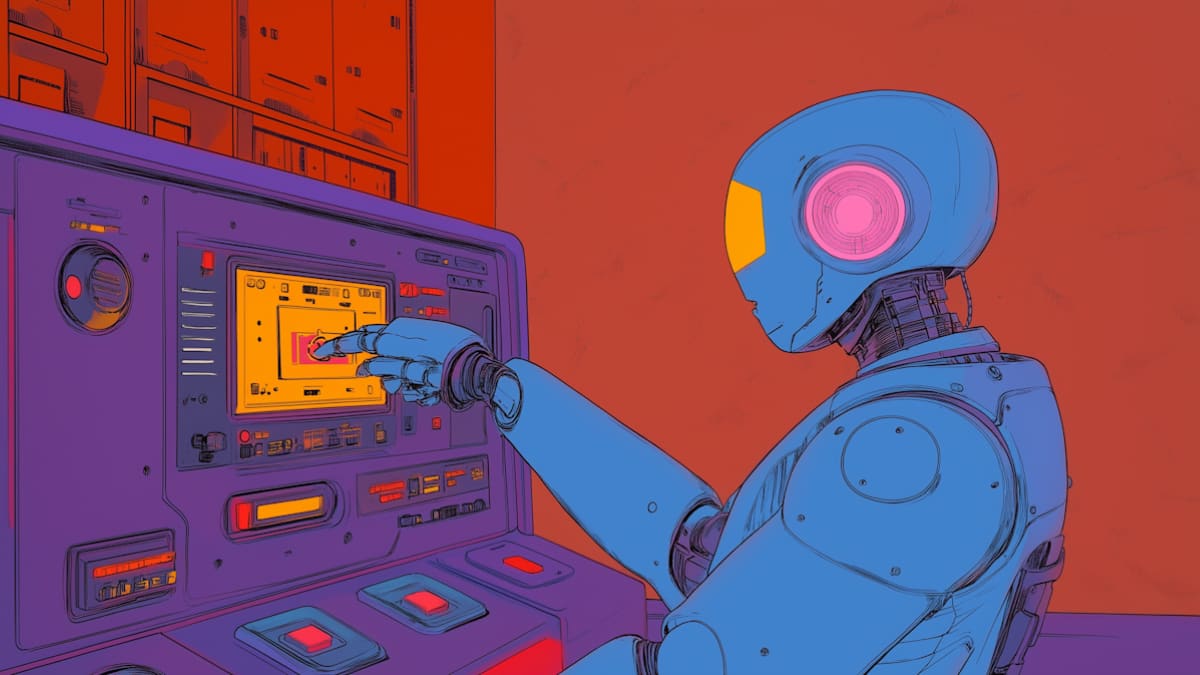
6 changes that the era of agents brings to digital marketing
In the age of agents, marketing ceases to be a tactical expense and becomes a strategic infrastructure for growth.

Digital marketing is entering a new structural phase. It’s not just about automating processes, but about a profound transformation of the relationship model between companies, technology, and consumers. This is the conclusion of the new 2026 predictions report by Incubeta, which identifies six major changes that will shape the immediate future of the digital ecosystem.
The study positions artificial intelligence as the main driver of a new economy and the «age of agents»: an environment in which intelligent assistants not only provide information, but also negotiate, recommend, and execute purchasing decisions on behalf of the user. In this scenario, marketing ceases to be a tactical expense and becomes a strategic growth infrastructure. Reviewing its predictions, we find:
1. How AI is simplifying the consumer journey
The traditional consumer journey (awareness, consideration, and conversion) is losing stages. AI-powered searches eliminate friction and offer immediate answers, reducing the time between intention and action.
According to the report, users no longer expect to explore multiple sources: they expect direct solutions. Nearly 60% of searches no longer generate any clicks. Instead of browsing, people ask AI systems directly and expect a final answer. The impact is enormous: the «path» to purchase disappears, and instant decision-making takes over. The challenge for 2026 will be to be «the answer,» not just the destination.
2. The New Measurement Paradigm
Another major change affects how digital behavior is studied. With the end of cookies and increasing limits on the collection of personal data, tracking individual users is no longer viable.
Instead, advanced statistical systems, such as Marketing Mix Modeling (MMM), will become prevalent. These systems can measure which investments actually generate economic growth without needing to track specific individuals. Furthermore, new metrics will emerge to determine if a brand is visible within the responses of artificial intelligence assistants.
3. Intelligent Creativity to Stand Out in the Era of Unlimited Content
Artificial intelligence can already create texts, images, and videos in a matter of seconds. The result will be a virtually endless volume of online content. But this abundance has a clear side effect: standing out will become increasingly difficult.
According to the report, the difference will not lie in producing more, but in creating smarter content: messages capable of automatically adapting to the context, the user, and the moment. Creativity will cease to be a static concept and will instead become a system that learns and evolves.
4. From Search Engines to Prompts: Asking Replaces Browsing
Consumers are becoming accustomed to interacting with conversational interfaces by asking direct questions. In this new ecosystem, visibility no longer depends so much on traditional search engine optimization (SEO), but rather on how AI systems interpret a brand’s authority, usefulness, and reliability.
For companies, this implies a profound change in their content strategy: clear, structured, verifiable information that is easy for automated systems to interpret will be key to remaining relevant.
5. AI-Powered Buying Agents Will Become New Intermediaries
One of the most disruptive predictions points to the rise of intelligent buying agents: systems that compare prices, evaluate options, and complete transactions autonomously. Instead of searching for «best value mobile phone,» users will directly ask an assistant which model to buy.
In this new scenario, visibility will no longer depend so much on search engine optimization, but rather on how artificial intelligence interprets the reliability, relevance, and authority of each brand.
6. Automated Purchases: When AI Pays for You
Another new scenario presented in the report is the rise of AI-powered purchasing agents. These systems will be able to compare prices, analyze ratings, and complete payments without human intervention.
For the user, this will mean greater convenience. For companies, it presents a major challenge: if their products are not properly structured and optimized to be «understood» by these agents, they will simply stop appearing in automated recommendations. The new approach is not based on predicting the future, but on building flexible infrastructures that allow for real-time responses to future demands.
Despite the prominence of artificial intelligence, the report emphasizes that the future will not be completely automated. The differentiating factor will continue to be human judgment: creativity, strategy, ethics, and building trust.
The conclusion is clear: technology will set the pace, but human connection will remain key to standing out in an increasingly automated environment.
Source: www.marketingdirecto.com


