

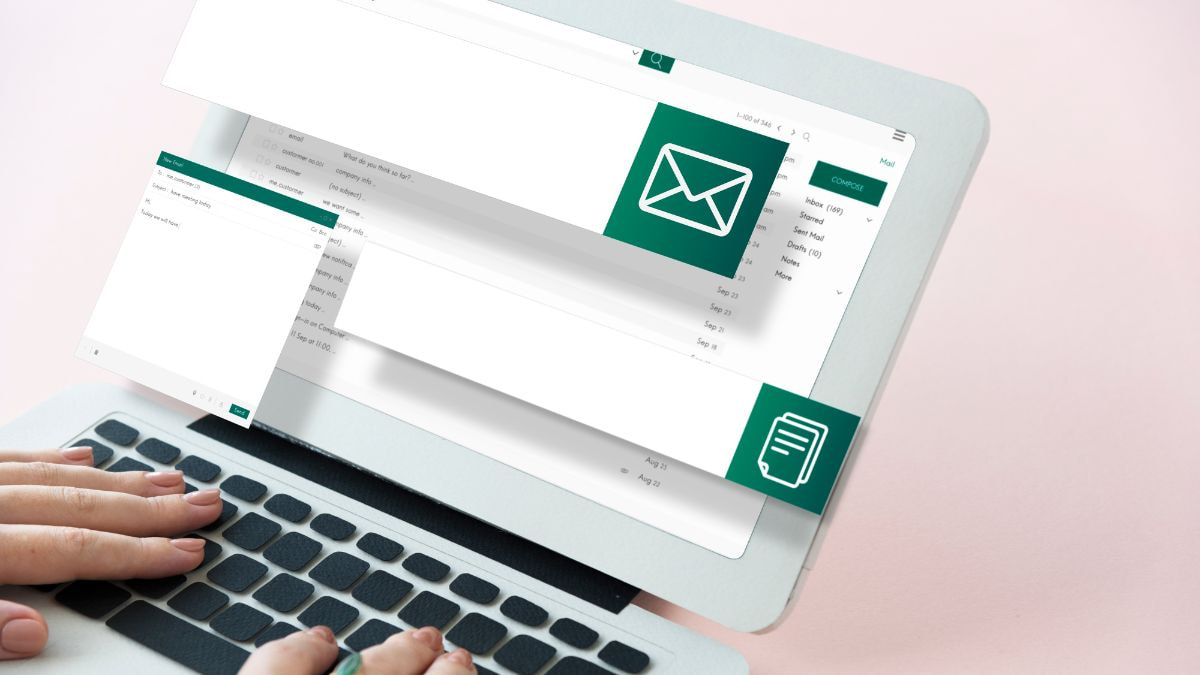
The role of email marketing in the ongoing relationship between restaurants and customers
Build customer loyalty for your restaurant using email marketing: personalized communication, automation, and effective segmentation.
In today’s hospitality industry, acquiring a new customer can be extremely expensive. Platforms like Google Ads, Uber Eats, Glovo, and TheFork facilitate visibility, but each new diner represents a considerable investment. A restaurant’s true profitability lies not in filling the dining room with strangers, but in ensuring that those who have already enjoyed the experience return.
Email marketing, far from being intrusive advertising, is establishing itself as a form of digital hospitality: a channel that allows you to continue nurturing the customer after they leave the establishment, keeping the memory of their experience alive and encouraging them to return organically. With tools like email marketing for restaurants, even small businesses can manage these relationships professionally, efficiently, and personally.
A database is gold.
Relying solely on social media or delivery platforms is risky. Algorithms are constantly changing, visibility is limited, and organic reach can decrease at any time. Having your own customer database ensures direct, controlled, and stable contact.
Each email address represents someone who already trusts your brand and has enjoyed your cuisine or ambiance. This information, when used strategically, becomes a powerful tool for building loyalty and increasing the value of each existing customer—far more so than a generic advertising campaign. For example, a restaurant that records the emails of those who book through its website can send targeted promotions without relying on third parties, ensuring its message reaches those who truly matter.
Segmentation: Not all emails are created equal.
Not all customers are looking for the same thing. A weekday set menu won’t appeal to those seeking a romantic dinner, and brunch enthusiasts will likely ignore a promotion on evening dishes. Segmenting your database allows you to send the right message to the right audience, increasing engagement and the likelihood of repeat business.
Segmentation can also include visit frequency, order history, or interaction with previous emails. For example, a customer who has booked a special dinner might receive recommendations for themed events or new gourmet dishes, while a regular lunch customer receives offers for the executive lunch menu. This personalization demonstrates attention to detail and strengthens the bond with the customer, making communication a natural extension of the restaurant experience.
The Wow Moment: Automations That Work
Some simple actions can have a huge impact. Automated birthday emails are a classic and effective example: a personalized message with a special touch, such as a discount or a complimentary dessert, can build loyalty for years. This type of interaction transforms the email into a gesture of care, similar to the attention a customer would receive when visiting the restaurant.
Another example is the recovery of lost customers. An email reminding them of their experience, accompanied by an attractive offer, can reactivate visits and transform occasional customers into regulars. Thanks to automation, these «Wow» moments are generated effortlessly: the restaurant maintains a lively and personalized relationship without the team having to manage each case manually.
Accessible Technology for Everyone
Advanced email marketing may seem complicated, but today you don’t need to be an engineer to implement it. Platforms like Easymailing combine artificial intelligence technology to generate content and analyze campaigns with expert human support in Spanish, making it easy for any restaurant, café, or wine bar to create effective campaigns without a learning curve.
Email automation, landing page creation, and results analysis, which previously required technical knowledge, are now handled intuitively. This allows even small, independent businesses to compete digitally with large chains, maintaining close and professional communication with their customers. For example, a small café can schedule weekend promotions, loyalty emails, and notifications of special events without needing to hire a technical team.
Digital Hospitality as a Business Strategy
Beyond marketing, email becomes a channel for hospitality. Each message is an extension of the restaurant experience: a friendly reminder, a personalized recommendation, or a special greeting strengthens the relationship with the customer. In this sense, email marketing doesn’t seek to aggressively «sell,» but rather to prolong the feeling of care and attention that begins in the dining room.
With the combination of data, segmentation, and automation, restaurants can maintain constant and meaningful contact with those who already know their brand. In a sector where repeat visits are key to profitability, turning email into a loyalty tool is not a luxury, but an essential strategy. Ultimately, it’s about nurturing the customer relationship as you would in person: with attention, detail, and respect for their time and preferences.
Source: www.marketingdirecto.com
